November 23, 2026
Operating a commercial kitchen involves navigating slim profit margins and demanding logistics. Culinary establishments face constant pressure to balance ingredient quality with operational costs. Every dollar spent on inventory affects overall financial health, making supply chain decisions critical for long-term survival. Restaurants must optimize purchasing strategies to maintain a competitive edge. A thriving business depends on securing premium supplies without compromising the budget.
Partnering with a local wholesale food distributor offers a strategic advantage for food service operators. This relationship transforms the supply chain into a streamlined asset. By sourcing ingredients from nearby partners, businesses reduce overhead and secure reliable access to essential goods. The localized approach to procurement establishes a foundation for financial stability. Operators discover immediate improvements in daily functionality and long-term financial forecasting.
Driving Profitability Through Proximity
Transportation expenses account for a significant portion of food procurement costs. When businesses source goods from distant facilities, they absorb hidden costs of cross-country shipping and fuel surcharges. A local wholesale food distributor eliminates these massive freight burdens. Shortened delivery routes mean lower transportation fees passed down to the buyer. Eliminating unnecessary mileage keeps capital inside the establishment rather than burning it on highway transit.
Shrinking the physical distance between the warehouse and the kitchen minimizes food waste. Perishable items spend less time in transit, arriving with maximum shelf life remaining. Kitchens experience less spoilage, ensuring that purchased ingredients translate into sellable meals rather than discarded refuse. Maximizing the yield from every order protects the initial investment. Preventing premature degradation of delicate produce preserves hard-earned revenue.
The sheer scale of the procurement sector highlights the money at stake. According to BVR, the wholesale food distribution industry in the U.S. has a combined annual revenue of around $990 billion. Within this massive ecosystem, regional partners capture value by optimizing regional networks. Smaller suppliers adapt to specific geographic needs, offering cost-effective solutions. These localized hubs inject efficiency into the supply chain, benefiting independent eateries.
Consolidating vendor relationships drives profitability. Instead of managing separate accounts for produce, meat, and dry goods, managers can source multiple categories from the same regional supplier. This consolidation reduces administrative time spent processing invoices and tracking deliveries. Fewer invoices mean less accounting labor, allowing managers to dedicate attention to revenue-generating activities. Streamlined bookkeeping keeps overhead labor costs low and protects operating margins.
Building Resilience Through Flexibility
Unpredictable supply chains create chaos for commercial kitchens. National shortages or weather events delay shipments from out-of-state vendors, leaving menus incomplete and customers dissatisfied. Regional suppliers source from nearby farms and producers, circumventing widespread logistical bottlenecks. This localized network remains stable even when national shipping lines face disruptions. Maintaining a consistent flow of ingredients safeguards the establishment from unforeseen external shocks.
Flexibility in ordering is another hallmark of a local wholesale food distributor. Giant supply companies enforce rigid order minimums and strict delivery schedules. Regional partners understand the fluctuating nature of neighborhood restaurants. They offer forgiving minimums and accommodate emergency order adjustments. This adaptability prevents kitchens from over-ordering to meet arbitrary quotas. Operators preserve working capital for other pressing business expenses instead of excess inventory.
Menu changes or influxes of diners require immediate supply responses. Regional suppliers provide rapid turnaround times for emergency deliveries. If a restaurant runs out of a staple ingredient before the weekend rush, a nearby supplier can dispatch a replacement truck on short notice. This rapid response capability prevents lost sales. Meeting customer demand ensures maximum revenue capture during peak dining hours.
Open lines of communication enhance this flexibility. Managers speak with decision-makers at regional supply companies, bypassing the automated phone trees of massive corporations. Direct communication ensures swift issue resolution. Whether addressing a missing item or sourcing a specialty ingredient for a seasonal menu, the streamlined dialogue eliminates delays. Prompt troubleshooting allows the culinary team to maintain focus on food preparation and execution.
Elevating Menus Through Freshness
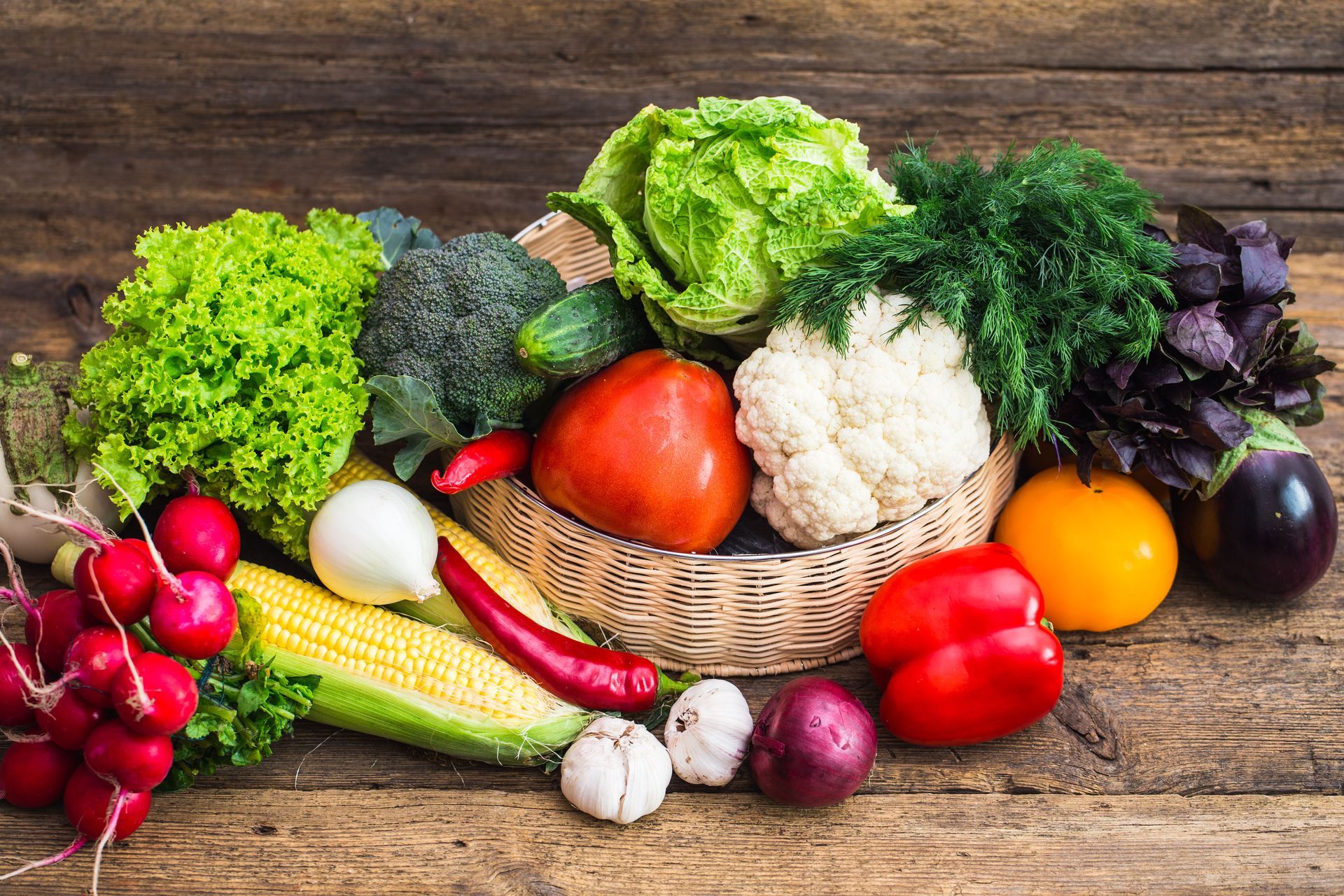
Ingredient quality dictates the final caliber of any culinary dish. Wilted greens and bruised produce diminish the dining experience and lead to negative reviews. Sourcing from nearby facilities guarantees that ingredients reach the prep station in pristine condition. Crisp vegetables, fresh dairy, and vibrant herbs elevate the flavor profile of the entire menu. Superior flavor profiles justify higher menu prices, increasing the profit margin.
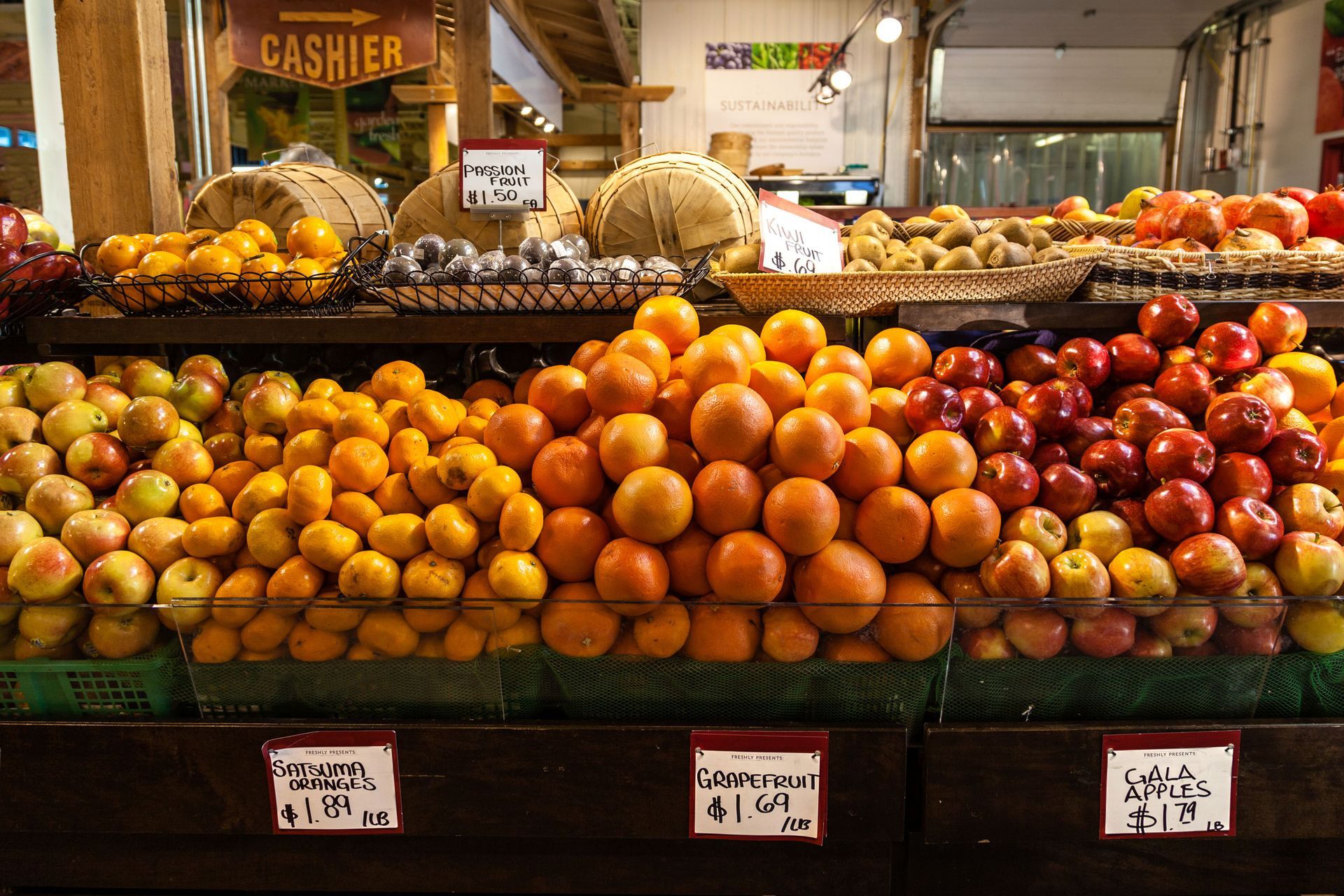
Diners seek out establishments that prioritize fresh ingredients. A local wholesale food distributor bridges the gap between neighborhood farms and commercial kitchens. Highlighting these community connections on the menu attracts conscious consumers willing to pay premium prices for quality meals. This farm-to-table approach enhances the brand image. Patrons appreciate sustainable sourcing and reward these practices with continued patronage and enthusiastic recommendations.
Extended shelf life correlates with improved profitability. Ingredients that arrive hours after harvest remain viable in the walk-in cooler for a longer period. Chefs have an extended window to utilize products, which reduces the pressure to rush preparations. Better inventory longevity means less money thrown into the compost bin. Maximizing ingredient usage minimizes waste disposal fees and protects the initial capital investment in food stock.
Consistent food quality fosters customer loyalty. Diners return to restaurants where favorite dishes taste perfect every visit. Reliable freshness from regional suppliers ensures that recipes taste identical from week to week. This consistency builds a loyal customer base. Repeat patrons generate steady revenue, reducing the marketing costs associated with acquiring new diners. Establishing a predictable dining standard transforms casual visitors into lifelong advocates.
Streamlining Operations Through Consistency
Predictable delivery schedules form the backbone of a smooth kitchen operation. When trucks arrive at the expected hour, staff can plan prep work without interruption. Regional suppliers navigate local traffic patterns and weather with ease, ensuring punctual drop-offs. Punctuality eliminates the chaotic scramble caused by late deliveries. Seamless receiving processes prevent costly labor overruns that occur when staff stand idle waiting for supplies.
A local wholesale food distributor simplifies the receiving process. Delivery drivers from regional companies build rapport with kitchen staff, learning where to place specific items in the walk-in cooler or dry storage room. This familiarity speeds up the unloading process. Staff members spend less time directing drivers and reorganizing shelves. Efficient logistics at the back door translate to smoother operations and faster service.
Consistent product sizing and packaging streamline recipe execution. When a kitchen receives the exact yield expected from produce and proteins, portion control becomes effortless. Regional suppliers maintain tight quality control over inventory, preventing sudden product substitutions that plague larger distributors. Reliable yields mean food costs remain stable. Standardization across deliveries guarantees that cost calculations remain accurate, protecting the predetermined profit margins of every dish.
Pricing stability offers another operational advantage. Regional partners secure fixed pricing for seasonal goods by contracting with nearby farms. This insulation from global market fluctuations allows restaurant owners to project food costs with accuracy. Accurate financial forecasting enables better budget management, ensuring that profit margins remain intact even when national commodities experience price spikes. Shielding the budget from extreme volatility provides peace of mind.
Achieving sustained profitability requires examining every link in the supply chain. Partnering with a local wholesale food distributor provides a clear path to reduced overhead and enhanced product quality. These regional alliances offer the flexibility needed to navigate industry challenges while ensuring kitchens remain stocked with premium ingredients. The resulting operational efficiencies translate into healthier financial statements. Evaluating procurement strategies remains a fundamental requirement for success.
Financial success in the culinary world stems from smart partnerships. Trimming transportation costs, reducing waste, and securing reliable deliveries all contribute to a robust bottom line. Embracing geographic proximity in supply chain management ensures enduring stability. Partner with us at Ron's Produce Wholesale Food Service to experience how an efficient local wholesale food distributor can streamline your daily operations. Reach out to our team today to secure reliable, fresh deliveries that protect your profit margins.